
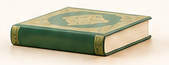
Noorani Qaida is a beginner's book that teaches children to read the Quran. It starts with the single Arabic letters, then joined letters, vowel marks (Harakat), Tanween, Madd, Sukoon and Shaddah, using real Quranic words. Most children complete Qaida in 6–12 months with regular lessons, then move on to reading the Quran (Nazra).
What is Noorani Qaida?
Qaida (قاعدة) means “rule” or “foundation”. The Noorani Qaida, compiled in the Indian subcontinent and used in mosques and homes across the UK, is a short book that takes a learner from not knowing any Arabic letters to reading Quranic words with correct pronunciation.
Its strength is that every exercise uses sounds and words found in the Quran, so children learn exactly what they need — and nothing they don't.
The stages of Qaida, step by step
Different editions number the lessons slightly differently, but almost all follow this order:
- Single letters (Huroof Mufradat) — the 28 letters, their names and correct sounds. See our Arabic alphabet course.
- Joined letters (Huroof Murakkabat) — how letters change shape when joined.
- Disjointed letters (Huroof Muqatta'at) — letter combinations that open some surahs, such as الٓمٓ.
- Harakat — the short vowels Fatha ( َ ), Kasra ( ِ ) and Damma ( ُ ).
- Tanween — double vowels that add an “n” sound ( ً ٍ ٌ ).
- Standing vowels — the vertical Fatha, Kasra and inverted Damma, read long.
- Madd letters — ا و ي used to lengthen sounds.
- Leen letters — the soft sounds of و and ي after a Fatha.
- Sukoon (Jazm) — a letter with no vowel, joined to the letter before.
- Shaddah (Tashdeed) — a doubled letter, pressed and read twice.
- Combined exercises — Shaddah with Sukoon, Madd and Tanween together.
- Quranic practice — reading short verses using everything learned.
How long does Qaida take?
Most children complete Qaida in 6 to 12 months with three to five short lessons a week. Younger children (4–5) or those with additional needs may take longer, and that is perfectly normal. Rushing Qaida usually causes mistakes that are harder to fix later.
What is the best age to start?
Many children start between 4 and 7. The best sign of readiness is being able to sit and focus for 15–20 minutes and recognise simple shapes. Adults can start at any age — see Quran classes for adults.
How parents can help at home
- Practise for 10 minutes a day — little and often works best.
- Ask your child to “teach” you today's letters.
- Point out Arabic letters around you — on the Mushaf, prayer mats or Islamic books.
- Praise effort and consistency, not just speed.
- Keep in touch with the teacher about what to practise.
What comes after Qaida?
After Qaida your child is ready for Nazra Quran — reading the Quran itself with Tajweed. Confident readers can later begin Hifz.
References & sources
Quran references link to Quran.com and hadith references to Sunnah.com, so you can check every source. Spotted a mistake? Please tell us and we will correct it.